
How to Train Chess Visualization: Pick the Right Trainer and Plan
Antoine10 min read

Table of contents
Most club players lose the position after 2–3 moves when calculating, then blunder under pressure. You can change that in 4–8 weeks with a focused routine. This guide shows you how to choose a chess visualization trainer, audio, software, or a coach, then run short daily drills that grow your reliable depth to 3–5 moves. You will set a baseline, pick concrete goals, and follow a weekly schedule that makes your mental board clear and stable.
Step 1: Define Your Starting Level and Set Concrete Goals
Before choosing any trainer or plan, spend 10–20 minutes assessing where you stand. Before you can visualize complex positions, you need to know the board perfectly. Take 5 easy tactical puzzles you already have on hand, for example from a set of tactics puzzles, and try this baseline test:
Look at each puzzle diagram for 10–20 seconds to memorize piece placements.
Close your eyes or cover the board completely.
Calculate the solution mentally without moving any pieces.
Note after how many moves you lose track of the position.
Track whether you misplace pieces or forget captures.
This baseline shows current visualization depth. Most beginners lose the position after 2–3 moves, while stronger players hold 4–6 moves clearly. Record your results and retest every 2–3 weeks to measure progress.
Set near-term targets you can verify. In 2–4 weeks, aim to follow a 10–15 move audio or notation sequence with no more than one or two resets, solve 2–3 move tactics in your head with high accuracy, and name square colors instantly 90% or better across 20 random squares.
Pick medium-term targets for 6–8 weeks. Aim to visualize 3–4 moves in typical tactics without losing track, play blindfold mini-games of 10–15 moves at slow time controls, and cut one-move blunders in your rated games by at least 50%.
Having specific, measurable targets prevents aimless training and helps you adjust your plan. If you're working on developing mental board skills, these benchmarks will guide your training.
Step 2: Choose the Right Trainer for Your Learning Style
The trainer can be a human coach, software tool, book method, or audio system. Many players combine two approaches, but choose one primary method to anchor your routine.
Audio-Based Trainers (Best for Pure Visualization)
Recorded chess audio, notation read aloud, isolates visualization from decision making so you track the position without moving pieces. It is simple, repeatable, and forces full attention.
How to create your audio trainer:
Open a game database or your chess app.
Select a short game, 10–15 moves for beginners, longer for advanced players.
Record yourself reading each move with 1–3 seconds of silence between moves.
Save the file and reuse it several times during the week.
This method creates pressure beyond normal play, you must visualize every move or lose the thread. It costs nothing and a phone recorder is enough.
What a Good Chess Visualization Trainer Should Have
A good visualization trainer should give you progressive difficulty, blindfold levels that hide the board gradually from partial to full, drills for square colors, coordinates, and piece paths, instant feedback on every attempt, and a free tier so you can build a daily habit without friction.
Dark Squares platform: It is built around exactly these criteria, with 7 progressive levels and a free tier to start. Build systematically with square color drills, then coordinate training, followed by knight movement and bishop path exercises, and read the chess visualization guide for the method behind each drill.
Human Coaches
Use a coach if you struggle to design drills, need accountability, or miss patterns like deflections and quiet moves. A good coach diagnoses where your image breaks down and assigns targeted exercises. Look for someone 200–300 rating points stronger who teaches process, not just moves, and adapts tasks live.
Book-Based and Self-Directed Methods
Annotated game collections work on a budget. Read 3–5 moves in notation, fix the resulting position in your mind, then check against a board. This is slower than software but builds pattern recognition alongside visualization.
Recommendation: Start with the audio method, free and focused, or a structured trainer with clear metrics. Add a coach if you plateau or need custom diagnosis.
Step 3: Build Your Weekly Training Schedule

Consistency beats intensity in visualization training. Aim for five days per week, 30–60 minutes per day. Begin every chess session with 10 minutes of pure visualization work to prime your mental board.
Daily Session Structure (45-minute example):
Warmup, 10 minutes: Audio sequence, square-color sprints, or knight-route drills.
Main training, 25–30 minutes: Mental tactics only, no moving pieces, or structured platform exercises.
Transfer practice, 5–10 minutes: A quick game or position where you force 2–3 moves of mental calculation before playing.
Weekly Focus Blocks (4–8 Week Plan)
Weeks 1–2, fundamentals: Drill square colors, files and ranks, and diagonal patterns; run audio sequences of 8–12 moves; practice single-piece paths like knight f5 to b4 or bishop c1 to h6. Goal, build automatic board awareness before adding complexity.
Weeks 3–4, short calculations: Solve 2–3 move tactics entirely in your head; extend audio games to 15–20 moves; begin listing candidate moves mentally during games. Goal, hold positions clearly for 3–4 ply without dropping pieces.
Weeks 5–8, deeper visualization: Calculate 3–4 move lines in busier positions; play one or two blindfold mini-games of 10–15 moves weekly; increase audio length or raise your trainer’s difficulty levels. Goal, calculate three moves ahead in common positions with confidence.
Track progress in a simple spreadsheet with date, drill type, depth reached, and mistakes. Increase difficulty only after you sustain accuracy. To start, access progressive visualization exercises mapped to each phase.
Step 4: Master Core Visualization Drills
These five drills anchor strong visualization training. Rotate them according to your weekly focus.
Drill A: Audio Game Following
Sit without a board or screen. Play your recorded moves and visualize from move one, tracking every piece. This is like blindfold chess without choosing moves, which frees you to focus on the image.
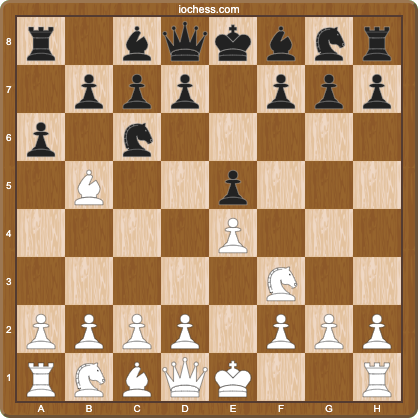
After each move, ask: What moved and from where? What does it attack or defend now? Which lines opened or closed? What are the current threats?
If you lose track, pause and restart. The goal is 10 minutes of work, not finishing a game. In weeks 1–2 you will restart often. By weeks 3–4 you should follow 10–15 moves with fewer resets.
Drill B: Square Color and Coordinate Mastery
Close your eyes and picture an empty board. Pick 20 random squares, use an app or call them out, and name light or dark within 2–3 seconds each. Then answer simple reachability questions, can a knight on e4 reach f6, and map a bishop from c1 to h6.
Add diagonal and rank patterns, recite all squares on a1–h8, the third rank, or the e-file. This takes 3–5 minutes daily and builds speed for all other drills.
Drill C: Piece Path Visualization
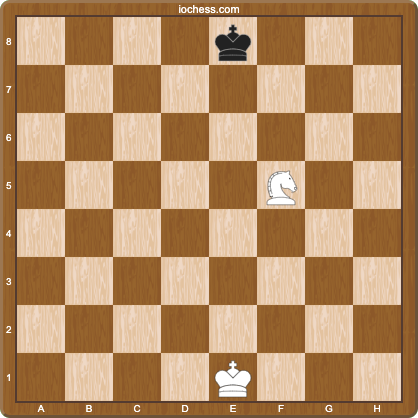
Knight routes: From f5 to b4, find the shortest path mentally, for example f5-d4-c6-b4 or f5-e3-d5-b4, three knight moves each. List all shortest routes as a challenge.
Bishop and rook paths: Move a bishop from c1 to h6, naming intermediate squares. For rooks, plan a1 to d4 as a1–a4–d4 or a1–d1–d4. Increase difficulty by adding mental blockers and asking which squares the piece now controls.
Drill D: Mental Tactics Solving
Study an easy puzzle diagram for 10–20 seconds to memorize piece placements. Cover the board, calculate candidate moves and replies for both sides, and picture the final winning position before choosing a move.
Uncover and verify your line after deciding. Start with one-move tactics, then advance to 2–3 move puzzles as accuracy improves. This links visualization directly to calculation discipline.
Drill E: Master Game Replay
Without a board, read 3–5 moves for both sides from a master game. Fix the resulting position in your mind, then reconstruct on a board to check or read another 2–3 moves and repeat. This strengthens tracking of shifting piece constellations over many moves.
For structured practice of these fundamentals, see how to play blindfold chess techniques that break skills into clear steps.
Step 5: Integrate Visualization Into All Your Chess Activities
Transfer requires habits during real play and study. Start every session with 10 minutes of visualization work to warm up. Verbalize moves in your head, saying the notation, to link symbols and images. Before any serious move, force a three-move sequence, your move, best reply, your next move, and freeze that final image to check loose pieces, checks, and tactics. Once drills feel comfortable, play one blindfold mini-game weekly, 10–15 moves, announce moves by notation, and keep a scoresheet to reconstruct afterward.
Blindfold work builds focus for over-the-board games by reducing distractions and checking lines cleanly. To test under game-like conditions, try playing blindfold chess games with progressive difficulty.
Step 6: Measure Progress and Adjust Your Plan
Recheck the Step 1 milestones every 2–3 weeks using repeatable tests. Redo the initial five-puzzle baseline, logging maximum reliable depth and piece-placement errors. Track blunders per game and any mis-visualization, for example assuming a square was defended when it was not. Time square-color drills and aim to cut response times by 30–50% in four weeks. Note how many audio moves you follow before a restart.
If progress stalls for four weeks at the same level, raise complexity, play longer audio games, choose puzzles with more pieces, or move from two-move to three-move drills. Keep the challenge just beyond your comfort zone.
To explore complementary methods that strengthen your mental board, see chess memory training techniques.
Common Mistakes to Avoid
Even with the right plan, three pitfalls often slow progress.
Mistake 1: Training Too Fast and Too Hard
Starting with complex blindfold tasks and rushing through them leads to guessing, not seeing. Attempting deep calculation before stable static recall, moving pieces during every line, and practicing once a week instead of short daily blocks are frequent errors.
Solution: Master fundamentals first. Drill square colors and simple patterns until they are automatic. Use easy, clean puzzles mentally, begin with one to two move tactics, then add difficulty. Slow down and analyze misses instead of guessing. Increase length or piece count only after consistent accuracy.
Mistake 2: Inconsistent, Burst Training
Occasional marathons followed by days off rarely build stable skill. Sporadic, exhausting sessions do not create the pathways needed for automatic visualization.
Solution: Commit to 10–30 minutes daily. Choose a modest, careful volume, about 10 visualization-style puzzles per day, instead of unsustainably high counts. Track failure points, lost pieces, broken knight paths, or drop-off after 3–4 ply, and target them in next week’s drills.
Mistake 3: Picking the Wrong Trainer for Your Level
Choosing a famous coach or a hard plan that does not match your rating leads to confusion. A very strong coach can still teach poorly for your needs, and advanced material encourages guessing.
Solution: Match level and communication. Look for a coach 200–300 points stronger with clear explanations and live difficulty adjustments. Use material you can almost handle to promote growth. A good trainer diagnoses weaknesses, assigns time to them, and integrates visualization explicitly with blindfold drills, mental puzzles, and notation replay. Test with a trial lesson and expect concrete homework.
If you want a structured, progressive track, review Dark Squares training plans that build visualization from beginner to advanced.
Conclusion
Run a baseline test, then set 2–4 week and 6–8 week goals with clear metrics and retests.
Pick one primary trainer, audio, software, or coach, and train five days a week for 30–60 minutes.
Start with board basics, square colors and piece paths, then add mental tactics and blindfold mini-games.
Measure progress with timed drills, audio depth, blunder counts, and consistent spreadsheet logs.
Increase difficulty only after accuracy stabilizes, adjust every two to three weeks.
Micro‑action: Today, record a 12‑move audio sequence, schedule five 10‑minute warmups this week, and log your first baseline test.
For ready‑made drills and plans, try progressive blindfold puzzles and the complete guide to mental board skills.
Frequently Asked Questions
How often should I train my chess visualization skills?
You should aim to train your chess visualization skills five days a week, dedicating 30 to 60 minutes per session. Consistency is key, as mastering visualization requires regular practice. This routine will help solidify your mental board and enhance your ability to visualize complex positions effectively.
What are some common mistakes to avoid when training for chess visualization?
Common mistakes include training too fast and attempting complex tasks before mastering the basics, being inconsistent in your training schedule, and selecting a trainer or method that is not suited to your current skill level. To avoid these pitfalls, focus on foundational skills first, train consistently, and ensure your chosen method aligns with your current abilities.
How can I measure progress in my chess visualization training?
You can measure progress by tracking your baseline visualization depth with tests every 2-3 weeks, logging the maximum number of moves you can visualize accurately. Additionally, monitor your blunders per game, your response times in drills, and the length of audio sequences you can follow accurately. This quantitative feedback will guide your future training adjustments.
What should I do if I plateau in my visualization training?
If you plateau, consider increasing the complexity of your drills, such as practicing longer audio games or tackling puzzles with more pieces. It may also be helpful to re-evaluate your training routine for areas that need more focus or to consult a coach for personalized guidance. Consistently adjusting the difficulty level keeps your training challenging and effective.
What is the ideal structure for a daily visualization training session?
A well-structured daily training session should last around 45 minutes and be divided into three parts: begin with a 10-minute warmup focusing on pure visualization exercises, follow with 25-30 minutes of focused mental tactics practice without moving pieces, and conclude with 5-10 minutes of transfer practice where you apply visualization in actual games.
Can I combine different training methods for visualization?
Yes, combining different methods can be beneficial. You might start with audio trainers for pure visualization practice and supplement this with dedicated software or a coach for tailored guidance. However, it's important to have one primary method that anchors your routine, ensuring your training remains focused and effective.
How do I select the right trainer for my chess visualization training?
To select the right trainer, consider your learning style and current skill level. Look for a trainer who is 200-300 rating points above you, communicates clearly, and can adapt their methods to your specific needs. A good trainer will help diagnose weaknesses and provide targeted exercises that integrate visualization into your overall chess skills.
Last updated
Related Articles

Is Chess Good for Your Brain? What the Science Actually Says
Short answer: yes, chess is a genuine mental workout, but the popular version of the claim is overhyped. Playing chess reliably trains a cluster of do…
Antoine · 7 min read

Is Being Good at Chess a Sign of Intelligence?
Short answer: only partly. Being good at chess correlates modestly with general cognitive ability, but the link is far weaker than most people assume.…
Antoine · 6 min read

Board Vision in Chess: Drills to Instantly See Every Square
Strong board vision chess skills, the ability to take in every square and piece at a glance, can cut your blunders fast. With 10 to 30 minutes a day,…
Antoine · 12 min read